Rapport
10 œuvres sur 222, 24 occurrences — 47ᵉ entité la plus citée du wiki sur 139. Parutions transcrites de 1928 (L’Appel de Cthulhu) à 1971 (L’Affaire Charles Dexter Ward), sur 9 œuvres datées. (dates des numéros transcrits, posthumes comprises.) Le foyer est L’Appel de Cthulhu : 11 occurrences, 46 % du total. Densité : 1,4 occurrence pour 10 000 mots dans les œuvres concernées. Voisine surtout Yog-Sothoth : 16 rapprochements dans un même passage.
« Great Old Ones » designe chez Lovecraft les entites venues des etoiles dont cthulhu est le pretre : elles regnaient sur la Terre avant l’homme et attendent que les astres reviennent en position.
Le piege est terminologique et il est constant dans la litterature secondaire : les Grands Anciens (Great Old Ones) ne sont pas les-anciens (Elder Things), la civilisation en tonneau de l’Antarctique. Lovecraft emploie parfois « Old Ones » pour les deux, ce qui a nourri la confusion — et c’est Derleth qui a fige une hierarchie que le texte ne soutient pas.
Attestations dans le corpus
| Œuvre | Année | Occurrences | Part |
|---|---|---|---|
| L’Appel de Cthulhu | 1928 | 11 | 46 % |
| L’Abomination de Dunwich | 1929 | 4 | 17 % |
| Le Cauchemar d’Innsmouth | 1936 | 2 | 8 % |
| L’Affaire Charles Dexter Ward | 1971 | 1 | 4 % |
| L’Exécuteur électrique | 1929 | 1 | 4 % |
| Celui qui hantait les ténèbres | 1936 | 1 | 4 % |
| L’Horreur dans le musée | 1933 | 1 | 4 % |
| La Clef d’argent | — | 1 | 4 % |
| Celui qui chuchotait dans les ténèbres | 1931 | 1 | 4 % |
| Jusqu’à ce que toutes les mers… | 1935 | 1 | 4 % |
| Total | 24 |
Ce que le corpus en dit
Une phrase par œuvre, prise à l’endroit de la première occurrence.
They worshiped, so they said, the Great Old Ones who lived ages before there were any men, and who came to the young world out of the sky.
— L’Appel de Cthulhu, 11 occurrences
The Old Ones were, the Old Ones are, and the Old Ones shall be. Not in the spaces we know, but between them. They walk serene and primal, undimensioned and to us unseen.
— L’Abomination de Dunwich, 4 occurrences
The Kanakys told ‘em as haow folks from the other islands might wanta wipe ‘an out if they got wind o’ their bein’ thar, but they says they dun’t keer much, because they cud wipe aout the hull brood o’ humans ef they was willin’ to bother—that is, any as didn’t be, sarten signs sech as was used onct by the lost Old Ones, whoever they was.
— Le Cauchemar d’Innsmouth, 2 occurrences
A quizzical look overspread his face as he heard what Willett had read on the pad, and he ventured the mild statement that those notes were old ones, of no possible significence to anyone not deeply initiated in the history of magic.
In the mountains—in the mountains—Anahuac—Tenochtitlan—the old ones… .” His voice changed to a chanting and not unmelodious howl.
Of the Shining Trapezohedron he speaks often, calling it a window on all time and space, and tracing its history from the days it was fashioned on dark Yuggoth, before ever the Old Ones brought it to earth.
Rencontres dans le texte
Entités dont une occurrence figure à moins de 320 signes de celle-ci — même phrase ou phrase voisine.
Past, present, future, all are one in Yog-Sothoth. He knows where the Old Ones broke through of old, and where They shall break through again.
— L’Abomination de Dunwich, avec Yog-Sothoth
No man had ever seen the Old Ones. The carven idol was great Cthulhu, but none might say whether or not the others were precisely like him.
— L’Appel de Cthulhu, avec Cthulhu
Nor is it to be thought [ran the text as Armitage mentally translated it] that man is either the oldest or the last of earth’s masters, or that the common bulk of life and substance walks alone. The Old Ones were, the Old Ones are, and the Old Ones shall be.
Croisements
Entités qui partagent ses œuvres, les plus spécifiques d’abord ; entre parenthèses, le nombre d’œuvres communes.
Personnages — Harley Warren (3), Abdul Alhazred (4), Albert N. Wilmarth (1), Docteur Marinus Bicknell Willett (1), Henry Wentworth Akeley (1), Henry Armitage (1), Inspecteur John Raymond Legrasse (1), Joseph Curwen (1)
Divinités — Yog-Sothoth (5), Cthulhu (5), Rhan-Tegoth (1)
Créatures — Les Anciens (3)
Lieux — R’lyeh (3), Le Pacifique Sud (4), Boston (6), Université Miskatonic (4), Yuggoth (3), Kingsport (3)
Objets — Le Necronomicon (6), Le Trapézoèdre brillant (1), Les cylindres des Mi-Go (1), L’idole de Cthulhu (1)
Thématiques — Le document comme preuve (3), Le narrateur qui ne peut pas dire (2), Le racisme de Lovecraft (2)
Époques — Les années 1920 (2), L’avenir lointain (1)
Cycles — Le mythe de Cthulhu (5), Le mythe comme œuvre collective (2)
Dans les revues
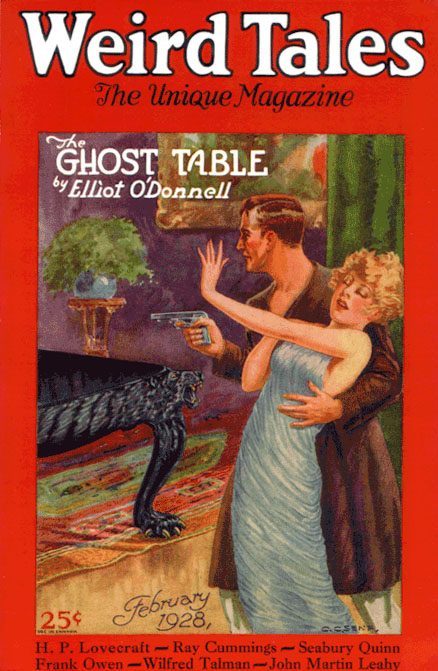
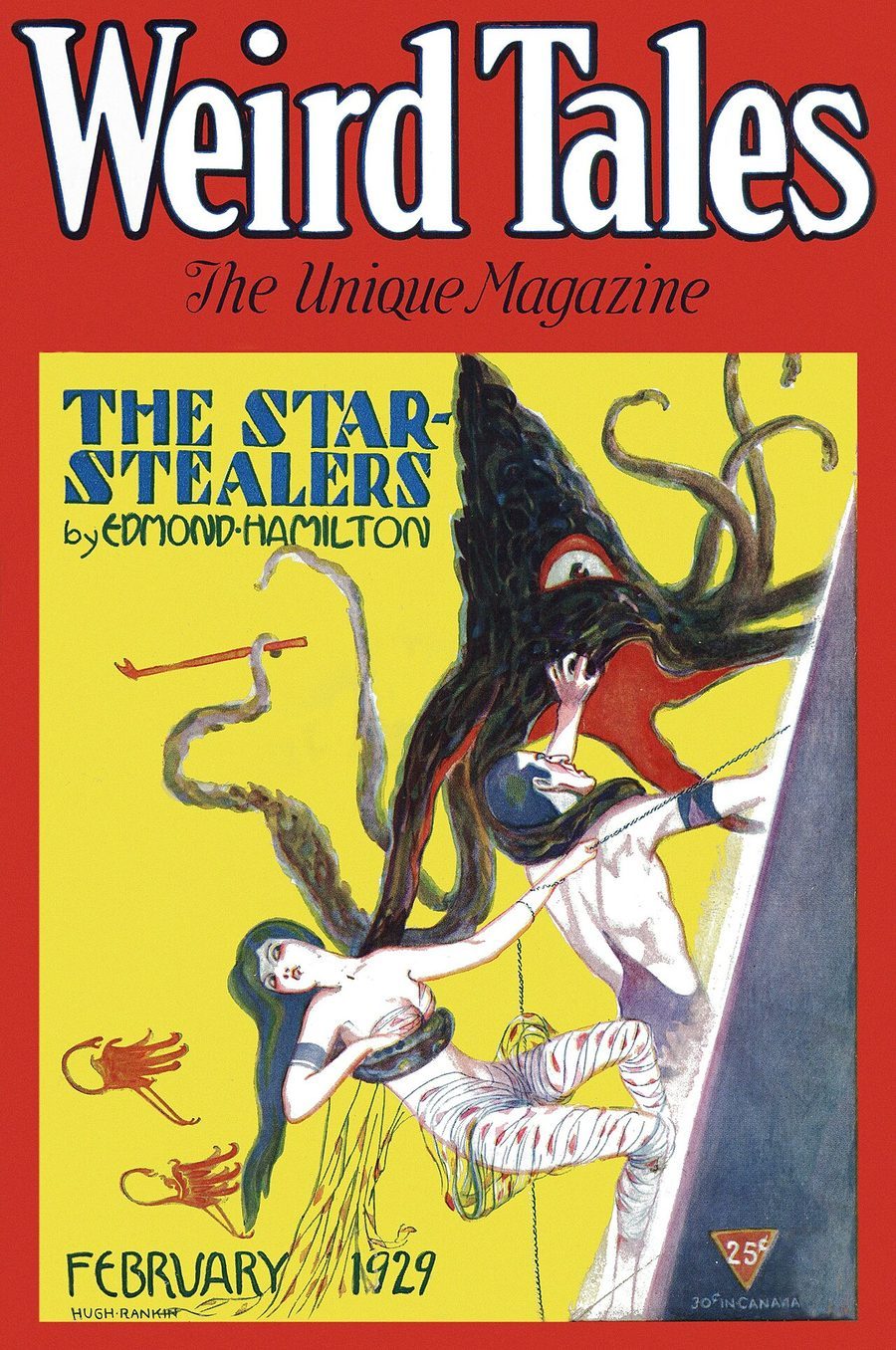
L’Appel de Cthulhu — Weird Tales, 1928 (numéro de l’année, pas forcément celui-ci) · L’Abomination de Dunwich — Weird Tales, 1929 (numéro de l’année, pas forcément celui-ci)