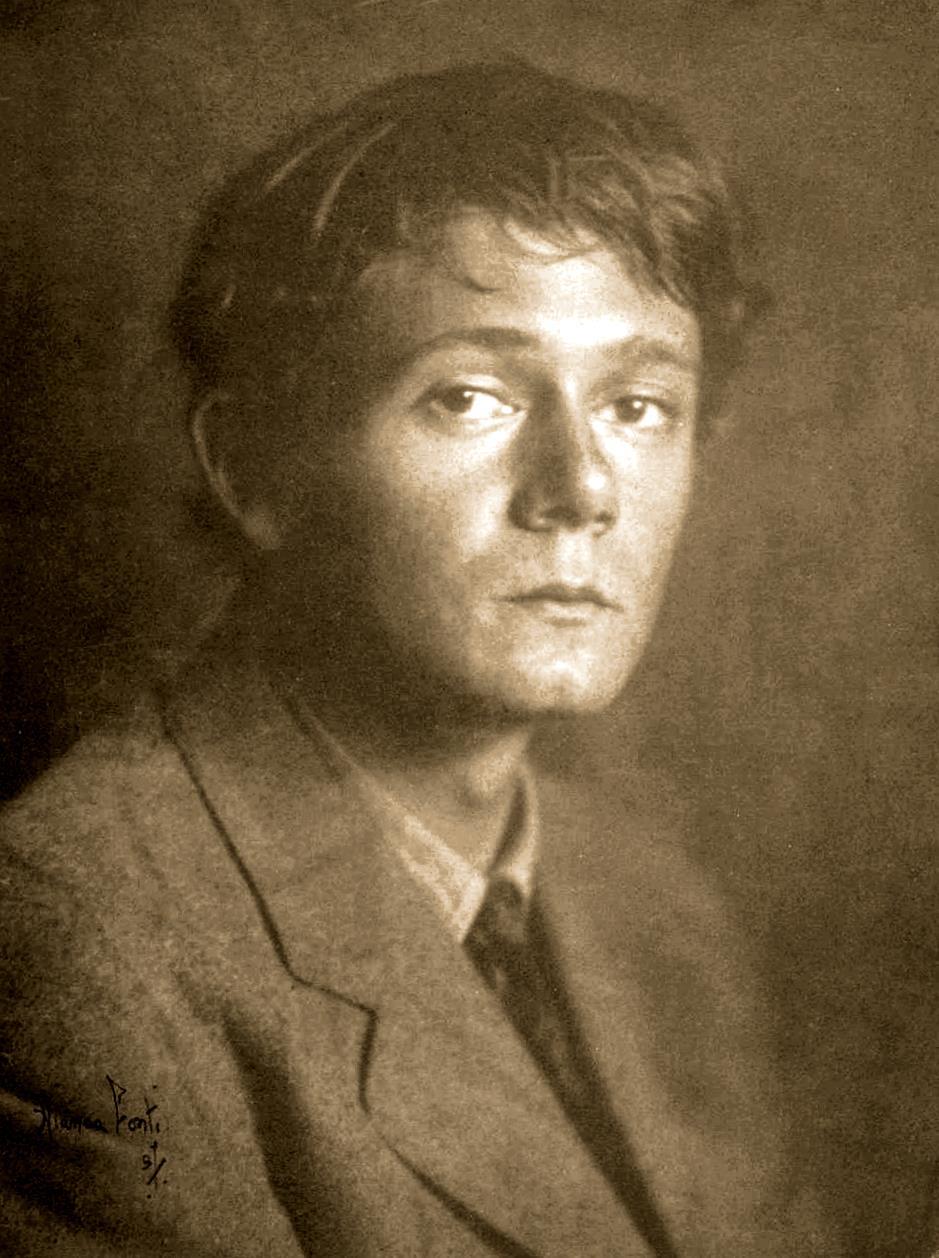
Clark Ashton Smith — Unknown authorUnknown author · Public domain · Commons

Rapport
10 œuvres sur 222, 10 occurrences — 76ᵉ entité la plus citée du wiki sur 139. Parutions transcrites de 1924 (Letter from H. P. Lovecraft to J. C. Henneberger) à 1943 (Autobiography), sur 8 œuvres datées. (dates des numéros transcrits, posthumes comprises.) Le foyer est Autobiography : 1 occurrence, 10 % du total. Densité : 0,9 occurrence pour 10 000 mots dans les œuvres concernées. Voisine surtout Unaussprechlichen Kulten : 2 rapprochements dans un même passage. 3 fiches du wiki y renvoient.
Correspondant de longue date, Smith apporte au fonds commun Tsathoggua, Hyperborée et le Livre d’Eibon. Lovecraft le surnommait « Klarkash-Ton » et l’a glissé sous ce nom dans ses récits.
Attestations dans le corpus
| Œuvre | Année | Occurrences | Part |
|---|---|---|---|
| Autobiography | 1943 | 1 | 10 % |
| Letter from H. P. Lovecraft to J. C. Henneberger | 1924 | 1 | 10 % |
| La Chevelure de Méduse | — | 1 | 10 % |
| Le Modèle de Pickman | 1927 | 1 | 10 % |
| Postcard from H. P. Lovecraft to Clark Ashton Smith | 1933 | 1 | 10 % |
| Épouvante et surnaturel en littérature | — | 1 | 10 % |
| The Battle That Ended the Century | 1934 | 1 | 10 % |
| L’Appel de Cthulhu | 1928 | 1 | 10 % |
| L’Horreur dans le musée | 1933 | 1 | 10 % |
| Celui qui chuchotait dans les ténèbres | 1931 | 1 | 10 % |
| Total | 10 |
Ce que le corpus en dit
Une phrase par œuvre, prise à l’endroit de la première occurrence.
The same circle, moreover, led to my acquaintance with Clark Ashton Smith, Frank Belknap Long, Jun., Wilfred B.
I wish you could use more verse by my California friend Clark Ashton Smith, who has perpetrated some terrific flights such as “The Hashish-Eater; or, The Apocalypse of Evil.”
It seems he had been very successful as an artist of a bizarre kind—like Fuseli or Goya or Sime or Clark Ashton Smith—but had suddenly become played out.
There was none of the exotic technique you see in Sidney Sime, none of the trans-Saturnian landscapes and lunar fungi that Clark Ashton Smith uses to freeze the blood.
Of younger Americans, none strikes the note of cosmic terror so well as the California poet and artist Clark Ashton Smith, whose bizarre writings, drawings and paintings are the delight of a sensitive few.
Talcum’s report of the event, illustrated by the well-known artist Klarkash-Ton (who esoterically depicted the fighters as boneless fungi), was printed after repeated rejections by the discriminating editor of the Windy City Grab-Bag—as a broadside by W.
Rencontres dans le texte
Entités dont une occurrence figure à moins de 320 signes de celle-ci — même phrase ou phrase voisine.
… the Necronomicon, the Book of Eibon, or the Unaussprechlichen Kulten of von Junzt. But the worst were wholly original with Rogers, and represented shapes which no tale of antiquity had ever dared to suggest. Several were hideous parodies on forms of organic life we know, while others seemed to be taken from feverish dreams of other planets and galaxies. The wilder paintings of Clark Ashton Smith might suggest a few—but nothing could suggest the effect of poignant, …
… weird writing—a step which I took in July 1917, with the production of The Tomb and Dagon in quick succession. Also through amateurdom were established the contacts leading to the first professional publication of my fiction—in 1922, when Home Brew printed a ghastly series entitled Herbert West, Reanimator. The same circle, moreover, led to my acquaintance with Clark Ashton Smith, Frank Belknap Long, Jun., Wilfred B.
— Autobiography, avec Dagon
Croisements
Entités qui partagent ses œuvres, les plus spécifiques d’abord ; entre parenthèses, le nombre d’œuvres communes.
Personnages — Herbert West (2), Albert N. Wilmarth (1), Henry Wentworth Akeley (1), Inspecteur John Raymond Legrasse (1), Abdul Alhazred (3)
Divinités — Cthulhu (5), Rhan-Tegoth (1), Azathoth (3), Shub-Niggurath (3), Yog-Sothoth (3), Tsathoggua (2)
Créatures — Les Maigres Bêtes de la nuit (2), Les Grands Anciens (3), Les Anciens (2)
Lieux — Yuggoth (4), R’lyeh (3), La Nouvelle-Orléans (3), L’Antarctique (2), Providence (3), Salem (3), Le plateau de Leng (2)
Objets — Le Necronomicon (5), Cultes des Goules (2), Les cylindres des Mi-Go (1), L’idole de Cthulhu (1)
Thématiques — Ce qui n’est pas une représentation (2), Le document comme preuve (2), Le cosmicisme (2)
Cycles — Le mythe de Cthulhu (2)
Entourage — Frank Belknap Long (2)
Dans les revues
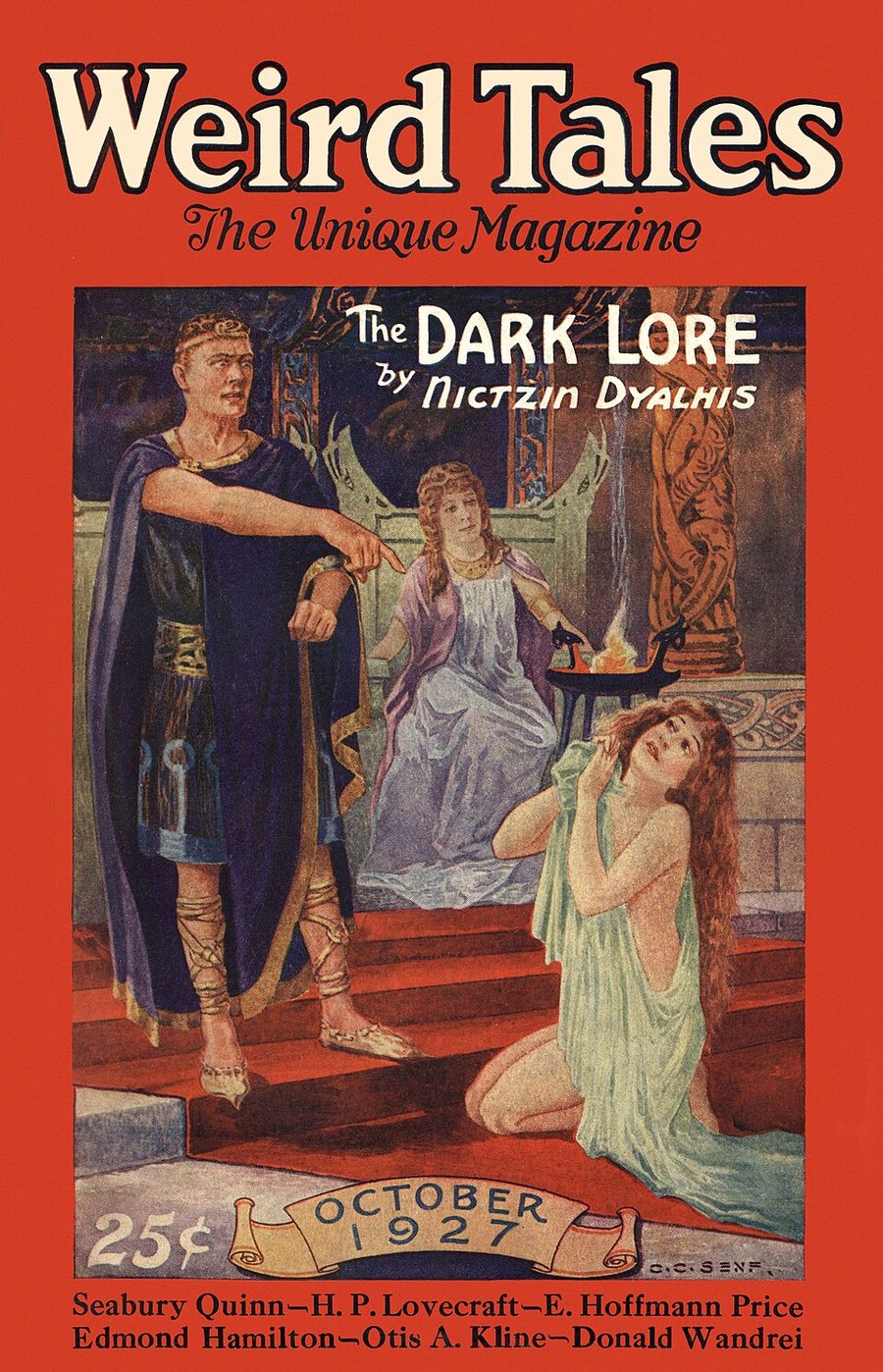
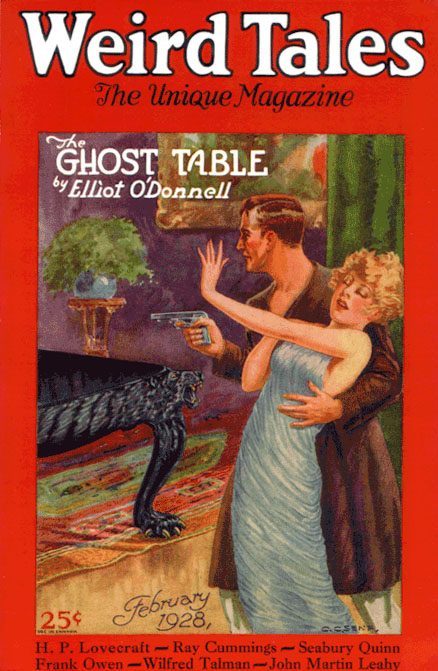
Le Modèle de Pickman — Weird Tales, octobre 1927 · L’Appel de Cthulhu — Weird Tales, 1928 (numéro de l’année, pas forcément celui-ci)
Fiches qui renvoient ici
Le Livre d’Eibon · Le mythe comme œuvre collective · Tsathoggua